
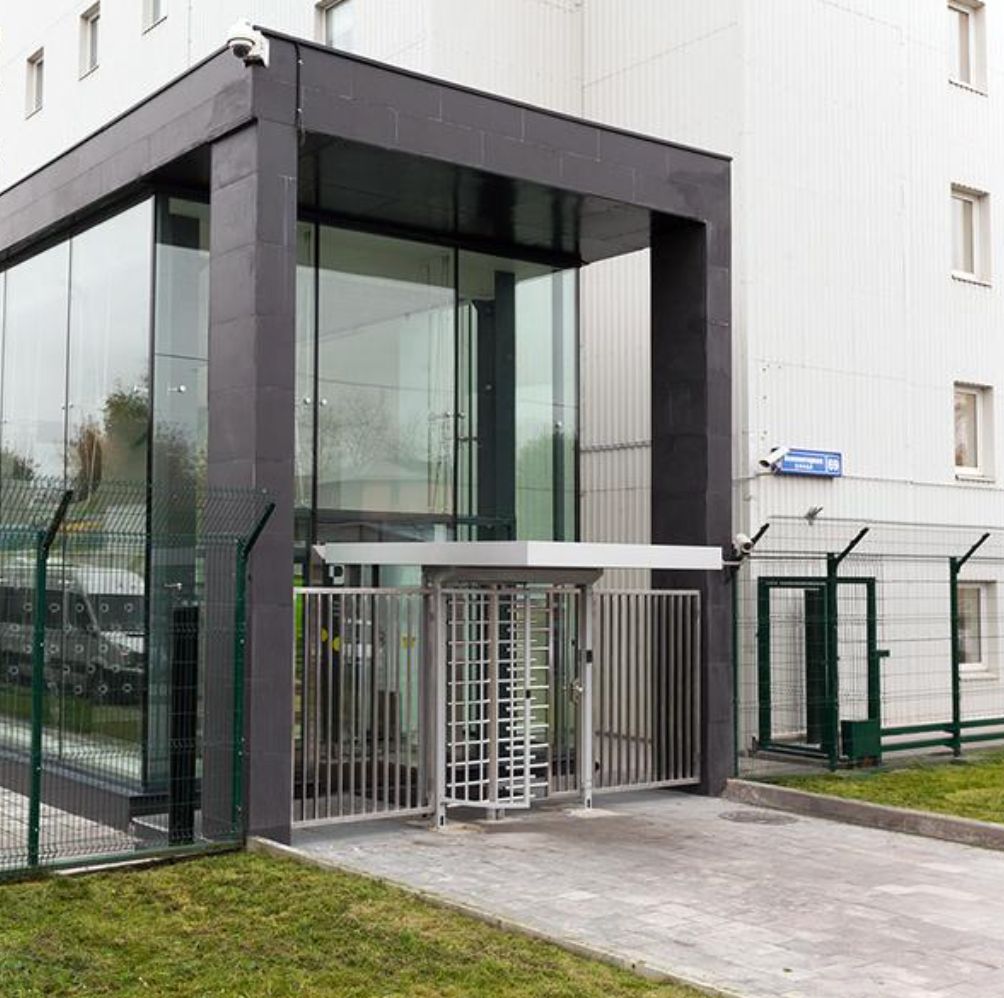
In today’s increasingly connected world, critical infrastructure forms the backbone of modern society. From data centers and healthcare institutions to power plants, banking systems, transportation networks, and government facilities, these environments support essential services that millions rely on daily. Because these facilities manage sensitive information, expensive assets, and mission-critical operations, even a minor security breach can lead to severe operational disruptions, financial losses, reputational damage, and safety risks. As threats continue to evolve, organizations are realizing that cybersecurity alone is no longer enough. Physical security — particularly restricted access — has become equally important in protecting critical infrastructure from unauthorized entry, insider threats, theft, sabotage, and operational disruptions. By implementing controlled access systems, organizations can ensure that only authorized personnel gain access to sensitive areas while maintaining complete visibility over facility movement and security activities.
What Is Restricted Access?
Restricted access refers to the process of limiting entry to specific locations, systems, or areas only to authorized personnel. Rather than allowing unrestricted movement throughout a facility, organizations assign access permissions based on employee roles, responsibilities, and security requirements. For example:
● IT administrators may be granted access to server rooms or data centers.
● Security teams may have permission to surveillance or monitoring rooms.
● Maintenance personnel may only enter designated technical zones.
● Visitors may have limited access to approved meeting spaces or reception areas.
This role-based approach helps organizations minimize risk and improve operational control.
Prevents Unauthorized Access
One of the biggest benefits of restricted access is preventing unauthorized individuals from entering secure areas. Without proper access control measures, sensitive areas such as server rooms, control centers, equipment rooms, or confidential storage spaces become vulnerable to misuse or security breaches. Unauthorized access can lead to:
● Theft of valuable equipment
● Damage to infrastructure
● Data compromise
● Operational disruptions
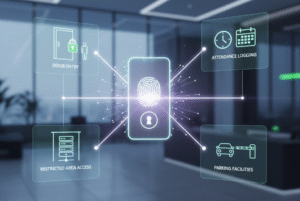
● Security incidents Modern access control systems such as biometric authentication, facial recognition, RFID cards, and electronic credentials ensure that only verified personnel can gain entry. This creates a strong first layer of physical protection.
Protects Critical Assets and Infrastructure
Critical infrastructure facilities house highly valuable assets that are essential for uninterrupted operations. For example:
Data Centers : Contain servers, networking systems, and sensitive business information. Healthcare Facilities: Store patient data, pharmaceuticals, and life-saving medical equipment.
Financial Institutions :Handle confidential financial records and secure transactions. Power and Utility Facilities Control systems responsible for essential energy distribution. If unauthorized individuals gain access to these environments, the consequences can be severe. Restricted access helps organizations safeguard infrastructure and minimize operational risks.
Reduces Insider Threats: Security threats are not always external. In many cases, insider threats — whether intentional or accidental — can create significant security risks. Employees, contractors, or temporary staff with unrestricted access may unintentionally compromise security or misuse sensitive areas. Restricted access reduces insider risks by:
● Granting role-based permissions
● Limiting access to only necessary work areas
● Tracking employee movement
● Maintaining accountability through access records For instance, a staff member working in administration should not automatically have access to server rooms or operational control areas. By limiting unnecessary access, organizations create safer and more secure environments.
Improves Monitoring and Accountability: Modern access control systems allow organizations to monitor movement throughout facilities in
real time.
Every access attempt is logged, creating detailed records of:
● Who entered a restricted area
● What time access occurred
● Duration of stay
● Failed access attempts
These audit trails help security teams investigate suspicious activity, improve compliance, and
strengthen incident response.
When employees know access is monitored, accountability naturally improves.
Strengthens Multi-Level Security
Many industries managing critical infrastructure must comply with strict regulatory standards and
security requirements.
Examples include:
● Data centers maintaining physical security standards
● BFSI institutions protecting confidential financial data
● Healthcare organizations safeguarding patient information
● Government facilities ensuring secure access control
Restricted access systems support compliance by offering:
● Controlled entry management
● Access tracking and reporting
● Visitor management
● Security logs and audit trails
Organizations that fail to meet compliance requirements may face penalties, legal risks, and
reputational damage.
Enhances Emergency Response and Safety
Restricted access systems also play an important role during emergencies.
In situations involving:
● Fire incidents
● Equipment failures
● Security breaches
● Unauthorized intrusions
Security teams can quickly determine who is inside sensitive areas and respond faster.
Modern systems may also integrate with alarms, surveillance platforms, and emergency
protocols to improve response efficiency.
This improves both employee safety and operational continuity.
Technologies Supporting Restricted Access
Traditional lock-and-key systems are no longer enough for critical infrastructure.
Organizations are now adopting smarter technologies such as:
Biometric Authentication
Uses fingerprints, facial recognition, or iris scanning to verify identity.
RFID and Smart Card Access
Allows personnel to enter approved areas using authorized credentials.
Multi-Level Access Control
Adds additional layers of security for sensitive environments.
Electronic Door Controllers
Manage permissions digitally and remotely.
Real-Time Monitoring Systems
Track activity and generate alerts for suspicious behavior.
These technologies improve security while simplifying facility management.
Best Practices for Implementing Restricted Access
Organizations should follow these best practices for stronger protection:
Define Access Levels Clearly
Assign permissions according to job roles and responsibilities.
Implement Multi-Factor Authentication
Use multiple authentication methods for highly sensitive areas.
Monitor Access Logs Regularly
Review unusual activity and suspicious access attempts.
Conduct Regular Permission Reviews
Remove unnecessary or outdated access rights.
Restrict Visitor Access
Monitor visitors and ensure access is limited to approved zones.
Conclusion
Restricted access is no longer optional for critical infrastructure — it is essential.
Whether protecting data centers, healthcare facilities, telecom networks, banking institutions, or government operations, organizations must ensure that only authorized individuals can access sensitive environments.
By implementing advanced access control systems, organizations can strengthen security,
prevent unauthorized entry, reduce insider threats, improve compliance, and maintain
uninterrupted operations. As physical threats continue to evolve, restricted access remains one of the most effective ways to safeguard critical infrastructure and ensure long-term operational resilience.
Author: Yatin Patil
Designation: Business Head – Data Centre Solutions


One comment
Alright, fellas! 888hotbet did not disappoint. Smooth gameplay and user friendly site. Nice! Give it a shot and see if is what you looking for: 888hotbet